多通道升学
连续15年一站式高端教育
全国招生

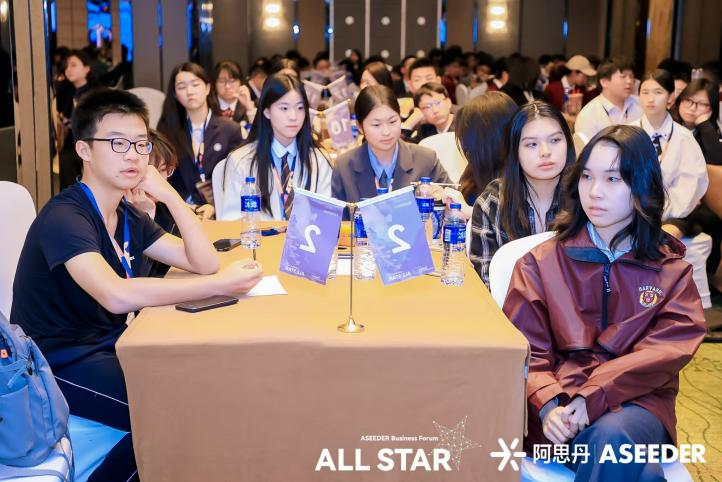
当人工智能重塑商业逻辑,全球经济经历深刻变革,商业早已不只是少数人的专业领域,而成为理解世界、参与社会的重要能力。从日常消费到资源分配,从个人选择到社会责任,未来社会需要的,不仅是会学习的人,更是具备理性判断、科学决策与价值创造能力的复合型人才。
因此,青少年阶段的商科教育,也不应停留在知识层面的简单输入,而应成为一种面向真实世界的认知训练。如何理解财富与价值,如何建立健康的消费观与资源观,如何在复杂环境中学会分析、判断与选择,这些能力的培养,正是财商教育的核心价值所在。
北京爱迪学校国际初中部的商科课程以“商业启蒙+财商培育”为核心理念,构建起一套贴近生活、注重实践、接轨国际的课程体系。
初中阶段是认知结构发展与价值观形成的关键时期。基于学生成长规律,初中部商科课程整体遵循“财商启蒙—财商应用—财商实践”的递进逻辑,配合“商业常识—模块学习—综合探究”的课程结构,实现知识与能力的螺旋式上升。课程不仅关注商业知识与经济逻辑的系统学习,更强调在真实情境与项目体验中,引导学生建立初步商业意识与社会责任感,在观察世界、理解规则与解决问题的过程中,完成从认知世界到参与世界的成长跨越。
因此,在教学实施层面,课程以案例教学法为核心载体,依托系统化案例资源,将抽象的商科知识与财商理念转化为具体情境,使学生在真实或类真实的问题中完成理解与应用。这一模式既降低了学习门槛,也增强了学习的参与感,让财商培养真正融入日常学习过程之中。
不同年级通过差异化案例与任务设计,实现自然衔接与梯度递进,学生在持续学习中逐步深化认知,完成从基础理解到综合运用的能力跃迁。
七年级:财商启蒙,认知筑基
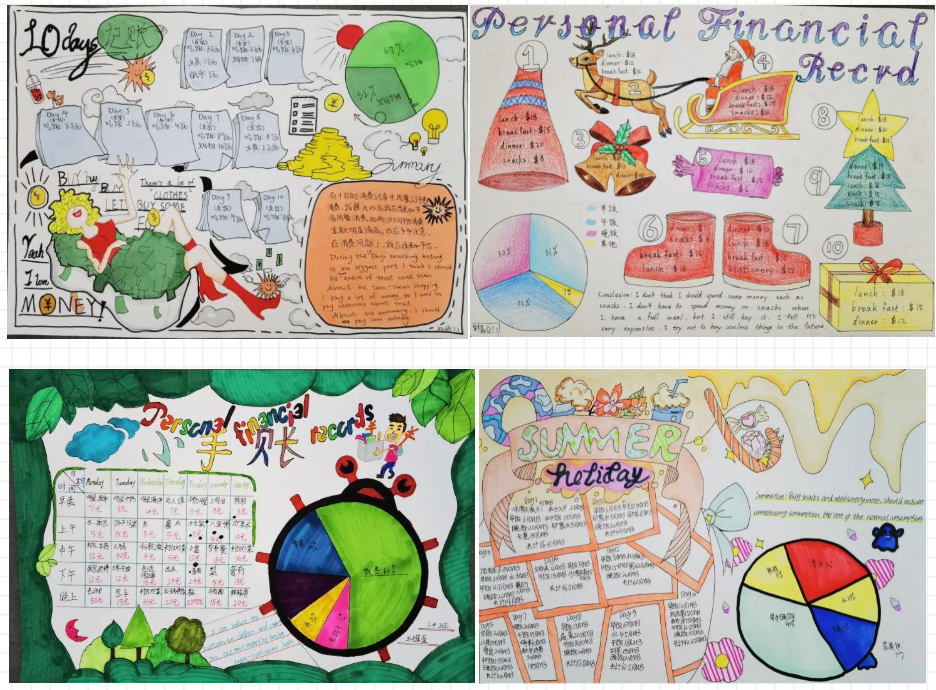
七年级作为初中阶段的起点,课程以“建立基础财富认知”为核心目标,重点围绕理性消费与零花钱管理展开。在具体学习中,教师引导学生分析日常生活中的消费场景,如文具采购、零食消费、潮流单品购买等,通过情境讨论与数据拆解,帮助学生理解“需求与欲望”“必要支出与非必要支出”等关键概念,逐步建立理性消费意识,避免攀比与冲动消费。
这一阶段的案例教学,重点在于衔接小学阶段的财商萌芽,实现从直观体验到初步认知的过渡,让学生完成商业与财商的“双重入门”,为后续学习奠定坚实基础。
八年级:财商应用,知行合一
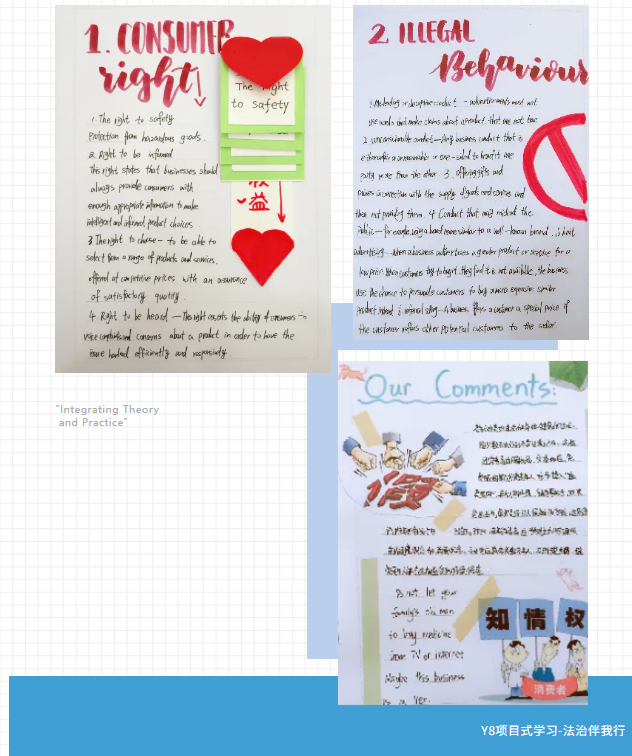
进入八年级,课程逐步过渡至模块化学习,涵盖基础市场营销与管理学内容,强调知识的实际应用能力。在“品牌故事”项目式学习中,学生围绕知名品牌展开调研,通过资料收集与数据分析,深入理解品牌发展路径与市场策略。在此基础上,学生尝试识别品牌在进入新市场过程中的潜在瓶颈,并结合所学知识提出解决方案。
在这一过程中,学生不仅巩固了课堂所学,更锻炼了信息整合能力、逻辑思维能力和创新意识,真正体会到商科知识的实用价值。
九年级:财商实践,综合进阶
九年级是初中阶段的关键过渡期,商科课程侧重综合探究与高中学段的衔接。案例教学在这一阶段聚焦“财商综合应用”,引导学生整合此前所学,完成小额创业、财富规划等更具挑战性的实践任务。
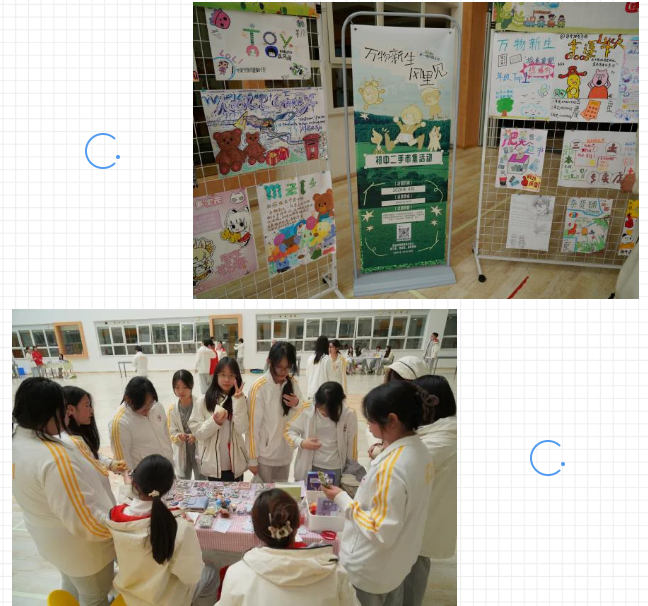
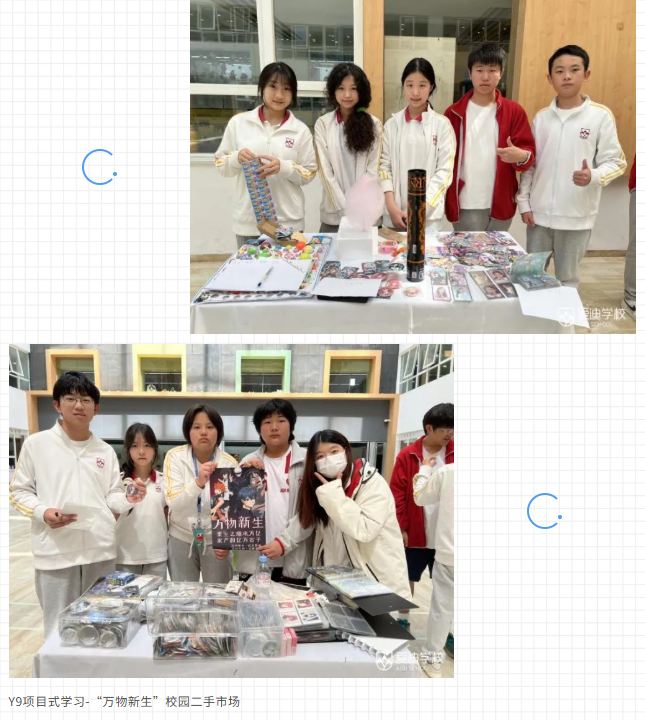
以“校园二手市场”为主题的项目式学习为例,学生从成本核算、定价策略、营销推广到收益分配进行系统设计,在实践中理解商业运作的完整流程。同时,项目融入公益理念,引导学生思考“盈利与责任”的关系,践行“财富向善”的价值导向。
这一阶段不仅强化了学生的问题解决能力,也使其逐步适应高中阶段以探究为导向的学习方式,实现初中与高中国际商科、基础财商与高阶财商的顺畅衔接。
通过上述分层设计,理性消费、科学理财、风险规避、财富向善等伴随终身的能力与观念,将成为学生应对未来挑战的重要支撑。
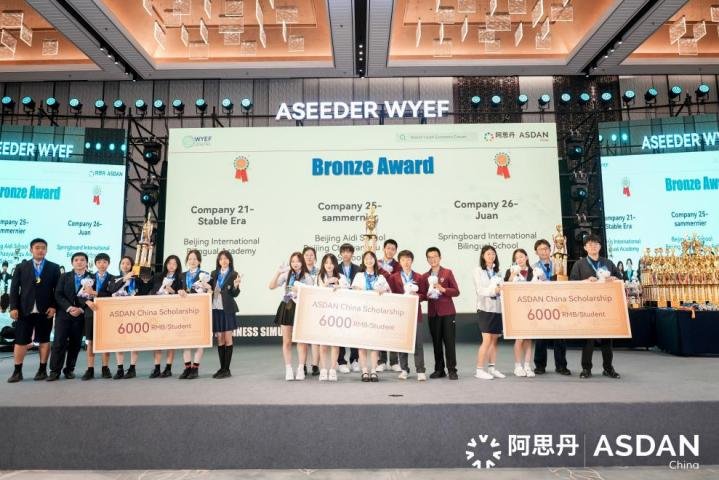
课堂之外,爱迪初中部积极拓展实践边界,通过高含金量的商业赛事检验学习成果,让学生在真实竞技中进一步锤炼财商素养。自2019年至今,我校初中部学子在ASDAN模拟商业挑战赛中屡创佳绩,连续多年斩获全国总决赛金奖,以卓越的综合素养与创新实践能力,在全国众多参赛队伍中稳居前列,充分彰显了爱迪初中部素质教育的丰硕成果。
ASDAN模拟商业挑战赛是国内权威的青少年商业实践赛事,以高度仿真的商业运营体系为载体,涵盖市场调研、战略决策、财务管控、路演答辩等核心环节,全方位考察学生的商业认知、逻辑思维、团队协作与应急应变能力。
在备赛过程中,初中部组建专业指导团队,带领学生系统研习商业基础知识,深入剖析市场运行规律,反复打磨运营方案。学生在分工协作中凝聚团队合力,将理论知识与实战应用深度融合。
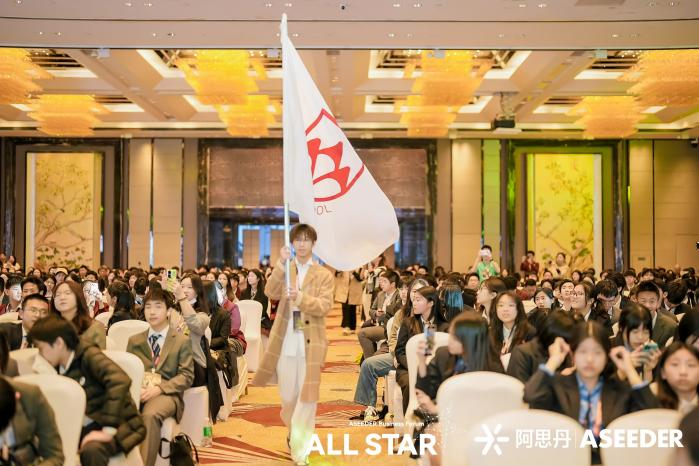
赛场上,爱迪学子沉着应对市场波动,精准制定运营策略,以清晰的逻辑表达、创新的商业思路与默契的团队配合,展现出超越年龄的专业素养与综合能力,赢得了评委与参赛队伍的高度认可。

连续多年的金奖荣誉,不仅是对学生个人成长与团队协作的充分肯定,更是爱迪坚持“五育并举”、深耕商科启蒙教育、注重实践育人理念的生动体现。
通过参与赛事,学生拓宽了商业视野,提升了综合实践能力,更培养了勇于探索、敢于创新的精神品格,为未来的学术发展与全面成长筑牢根基。
为进一步拓展学生知识视野,接轨时代发展需求,爱迪在九年级商务学科中创新引入难度越级的经济课程,以专业、系统、贴近生活的教学内容,为学生搭建起连接校园与社会经济的桥梁。该课程并非简单的理论堆砌,而是立足九年级学生认知特点,将宏观经济规律、微观市场逻辑、理财基础、商业伦理等核心内容,转化为可理解、可实践、可探索的学习模块。
课程从日常消费、家庭理财、校园经济现象切入,逐步延伸至市场供需、成本收益、产业发展、全球化经济等更深层次的知识,让学生在案例分析、模拟经营、数据探究、小组研讨中,逐步建立理性的经济思维,学会用经济视角分析问题、做出决策。
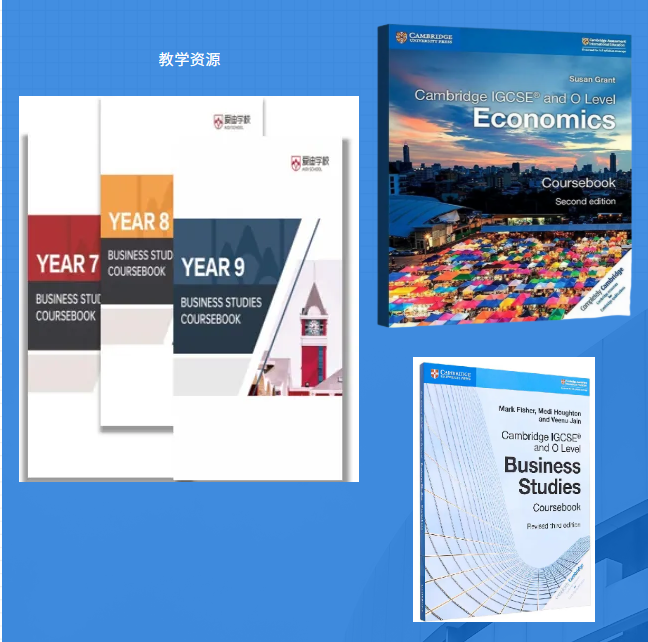
引入高难度经济课程,既是对学生学习潜力的信任,也是对时代发展需求的前瞻布局。当下社会,经济素养已成为青少年必备的核心能力,无论是未来升学、职业选择,还是参与社会生活、应对市场变化,都离不开基础的经济认知与商业思维。
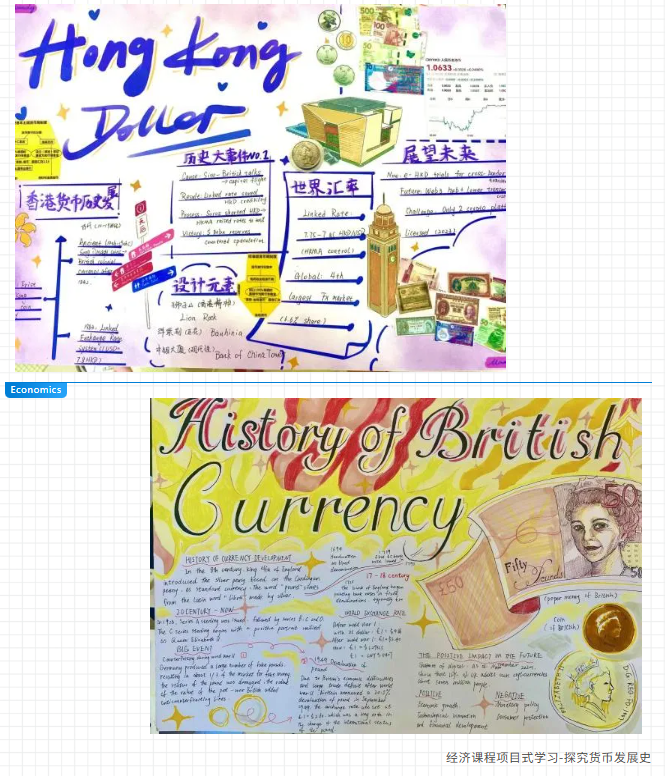
九年级作为初中阶段的关键过渡期,正是培养思维能力、拓宽知识边界的黄金时期。提前接触系统的经济知识,可以丰富学生的知识结构,也能激发其对商业世界的好奇心与探索欲,为后续高中商科学习、大学专业选择奠定基础,也让学生在成长中更早具备独立思考、理性判断、规划未来的能力。
从财商启蒙到经济思维,从课堂学习到赛场实践,北京爱迪学校国际初中商科课程打破了传统理论学习的边界,将认知培养、实践锻炼与价值塑造融为一体。我们不止于传授商业概念与方法,更致力于让学生以真实的实践场景为课堂,在锤炼思辨、决策与资源统筹能力的过程中,学会管理财富、尊重财富、善用财富,从而构建完整的商业认知体系,夯实受益终身的财商底色。
在这里,商业是理解世界的视角,财富是责任与担当的载体。优质的商科启蒙,从不灌输功利的生存技巧,而是教会青少年理性判断价值、审慎做出选择、勇敢承担责任。
我们期待,爱迪学子以商业为起点,以思维为桥梁,以责任为底色,突破认知边界,练就独立思考的底气与直面未来的能力,在瞬息万变的时代浪潮中,奔赴更加从容、笃定、丰盈的人生。
As artificial intelligence reshapes business logic and the global economy undergoes profound transformation, business is no longer a niche discipline for a select few. It has become an essential lens for understanding the world and engaging with society.
From daily consumption to resource allocation, from personal choices to social responsibility, the future demands more than students who simply excel academically. It calls for individuals with rational judgment, strategic thinking, and the ability to create value.
For this reason, business education during adolescence should go beyond the simple transfer of knowledge. It should become a form of real-world cognitive training.
How do students understand wealth and value? How do they develop healthy attitudes toward consumption and resources? How do they learn to analyze, evaluate, and make decisions in complex environments? These capabilities lie at the heart of financial literacy education.
At the International Middle School of Beijing Aidi School, the Business Studies curriculum is built around the dual pillars of business awareness and financial literacy, creating an internationally aligned, practice-driven program closely connected to real life.
Middle school is a critical stage for cognitive development and value formation. Guided by students’ developmental needs, the curriculum follows a progressive pathway of financial literacy awareness, application, and practice, supported by a structure of business fundamentals, modular learning, and interdisciplinary inquiry, enabling continuous growth in both knowledge and competency.
Beyond the systematic study of business and economic principles, the curriculum emphasizes authentic scenarios and project-based learning, guiding students to develop commercial awareness and social responsibility while learning to observe the world, understand systems, and solve problems.
At the instructional level, case-based learning serves as the core teaching approach. Supported by structured case resources, abstract business concepts and financial literacy theories are transformed into concrete situations, allowing students to build understanding through authentic and simulated problem-solving experiences. This model lowers learning barriers while increasing engagement, making financial literacy a natural part of everyday learning.
Through differentiated projects and age-appropriate case studies, each grade level builds naturally upon the previous one, enabling students to progress from foundational understanding to integrated application.
Grade 7 | Establishing Core Knowledge
As the starting point of middle school business education, Grade 7 focuses on building foundational awareness of wealth and financial decision-making, with particular emphasis on rational consumption and pocket-money management.
Students explore familiar spending scenarios such as purchasing stationery, snacks, or trending products. Through guided discussion and data analysis, they learn key concepts including needs versus wants and essential versus non-essential spending, gradually developing rational consumption habits and avoiding impulsive or comparison-driven purchasing behaviors.
At this stage, case-based learning bridges students’ early exposure to financial concepts in primary school with more structured business thinking, providing students with a foundational introduction to both business and financial literacy while laying the groundwork for future learning.
Grade 8 |Integrating Theory and Practice
In Grade 8, the curriculum shifts toward modular learning, introducing foundational concepts in marketing and management while placing greater emphasis on practical application.
In the Brand Story project, students research well-known companies through information gathering and data analysis, exploring brand development pathways and market strategies in depth. They are then challenged to identify potential obstacles brands may face when entering new markets and propose solutions using the knowledge they have acquired.
Through this process, students strengthen their ability to synthesize information, think logically, and innovate, while experiencing the practical value of business learning firsthand.
Grade 9 | Advancing Through Practice
As a key transition year, Grade 9 emphasizes interdisciplinary inquiry and preparation for senior secondary business studies. At this stage, case-based learning focuses on the integrated application of financial literacy, encouraging students to synthesize prior learning through more advanced projects such as small-scale entrepreneurship and financial planning.
In the Campus Second-Hand Market project, students design the full operational process, from cost calculation and pricing strategy to marketing and profit distribution. Through hands-on practice, they gain a deeper understanding of how businesses operate. The project also incorporates charitable and social responsibility elements, encouraging students to reflect on the relationship between profitability and responsibility while embracing the idea of using wealth for good.
This stage further strengthens students’ problem-solving abilities while preparing them for the inquiry-driven learning approach of senior secondary education, ensuring a smooth transition from foundational to advanced business studies.
Through this layered curriculum design, lifelong capabilities and values such as rational consumption, financial planning, risk awareness, and ethical wealth management become essential foundations for students as they navigate future challenges.
Excellence Beyond the Classroom
Beyond the classroom, the middle school division extends learning through high-level business competitions, allowing students to test their knowledge and strengthen financial literacy in authentic competitive settings.
Since 2019, middle school students at Beijing Aidi School have consistently excelled in the ASDAN Business Simulation Challenge, earning National Gold Awards for consecutive years and ranking among the country’s top-performing teams through outstanding innovation, collaboration, and practical business capability.
The ASDAN Business Simulation Challenge is one of China’s most prestigious youth business competitions, built around a highly immersive commercial operation system. Covering market research, strategic decision-making, financial management, and business presentations, the competition comprehensively evaluates students’ commercial awareness, logical reasoning, teamwork, and adaptability.
Throughout preparation, dedicated mentoring teams guide students through systematic business training, market analysis, and repeated refinement of operational strategies. Through teamwork and role-based collaboration, students learn to integrate theory with practice.
On the competition stage, Aidi students demonstrate remarkable composure in responding to market fluctuations and designing operational strategies. Through clear communication, innovative thinking, and strong teamwork, they consistently showcase professionalism and maturity beyond their years, earning high recognition from judges and fellow competitors alike.
These consecutive national awards not only affirm students’ individual growth and collaborative spirit, but also reflect Aidi’s long-standing commitment to holistic education, experiential learning, and business enlightenment.
Through competition experiences, students broaden their perspectives, strengthen practical competencies, and cultivate the courage to explore and innovate, building a strong foundation for future academic and personal growth.
Connecting Economics to Life
To further expand students’ perspectives and align learning with contemporary global developments, Aidi has introduced an advanced Economics course into the Grade 9 Business Studies curriculum, creating a bridge between classroom learning and the realities of the modern economy.
Rather than functioning as abstract theory, the course is designed around students’ cognitive development, transforming topics such as macroeconomics, market dynamics, personal finance, and business ethics into accessible, practical, and inquiry-based learning modules.
Beginning with everyday consumption, family budgeting, and campus economic phenomena, the curriculum gradually extends into deeper concepts including supply and demand, cost and profit analysis, industrial development, and globalization. Through case studies, business simulations, data exploration, and group discussion, students develop rational economic thinking and learn to approach problems through an economic lens.
The introduction of advanced economics learning reflects both confidence in students’ academic potential and a forward-looking response to future societal demands. In today’s rapidly evolving world, economic literacy has become an essential life competency, shaping future academic pathways, career choices, and participation in social and economic life.
As a pivotal transitional stage, Grade 9 provides an ideal opportunity to cultivate higher-order thinking and broaden intellectual horizons. Early exposure to systematic economic education enriches students’ knowledge structures while inspiring curiosity about the business world, laying the groundwork for future business studies and independent thinking.
Wealth for Good, Benefits for Life
From financial literacy foundations to economic thinking, from classroom learning to competition practice, the International Middle School Business Studies curriculum at Beijing Aidi School moves beyond traditional theory-based education by integrating cognitive development, practical application, and value formation into one holistic learning journey.
The program goes beyond teaching business concepts and methods. Through authentic learning experiences, students develop critical thinking, decision-making, and resource management skills while learning to manage wealth wisely, respect its value, and use it responsibly, ultimately building a comprehensive understanding of business and finance.
Here, business is a lens for understanding the world, and wealth is a reflection of responsibility and purpose. Meaningful business education is never about teaching utilitarian survival skills, but about guiding young people to evaluate value rationally, make thoughtful choices, and take responsibility with confidence.
We hope Aidi students will use business as a starting point, thinking as a bridge, and responsibility as their foundation to expand their perspectives, think independently, and embrace the future with clarity, resilience, and confidence.