多通道升学
连续15年一站式高端教育
全国招生

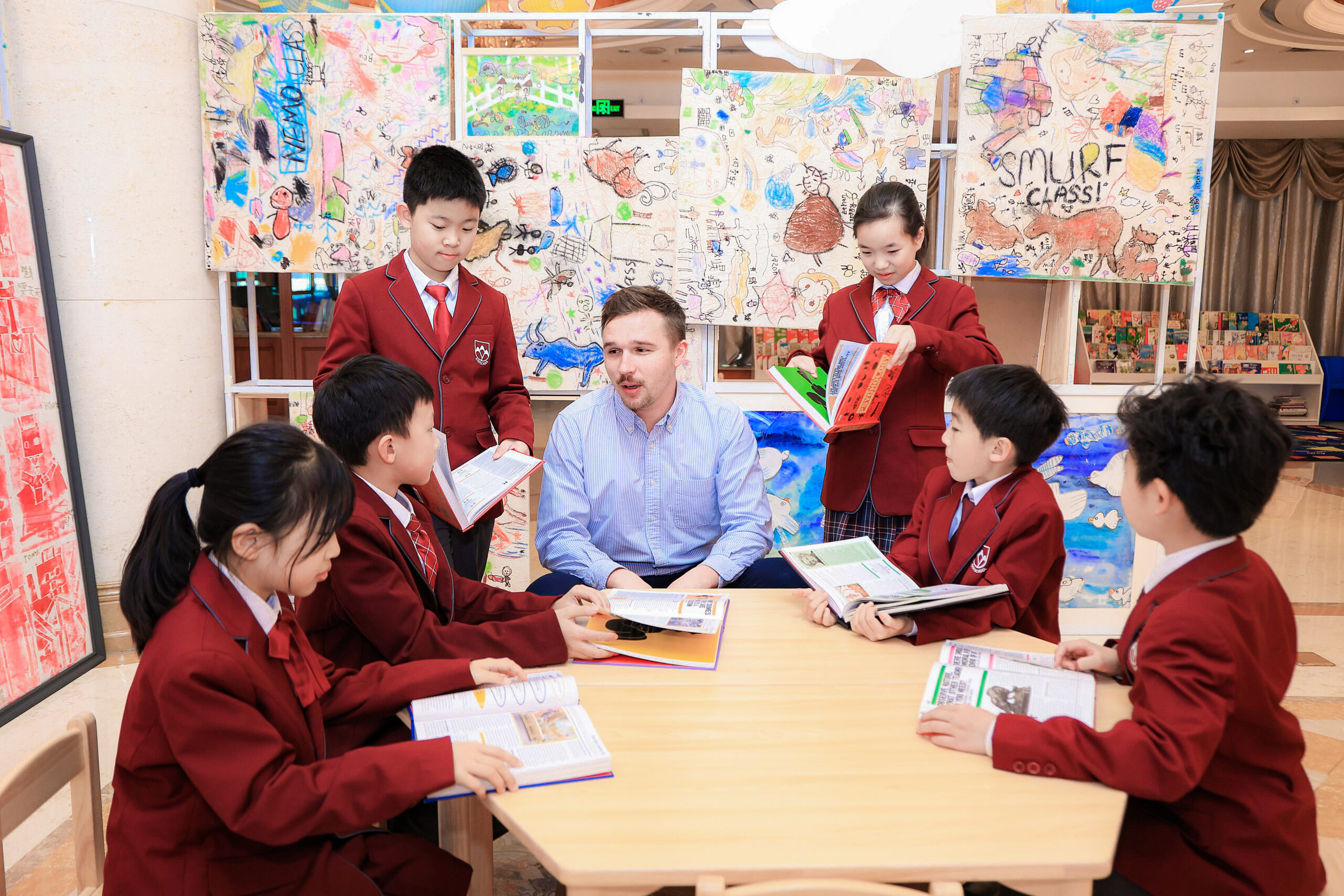
近年来,AI正在迅速打破语言壁垒。实时翻译、AI写作,让语言转换变得越来越容易。那么,学英语还有意义吗?
在爱迪小学,答案是肯定的。但我们理解的英语学习,不是被动的语言转换,而是主动的思维表达。
真正重要的,是让孩子像母语者一样,自然地用英语思考、表达与交流,在真实语境中建立语感、理解文化,并逐渐形成不依赖翻译工具的语言能力。
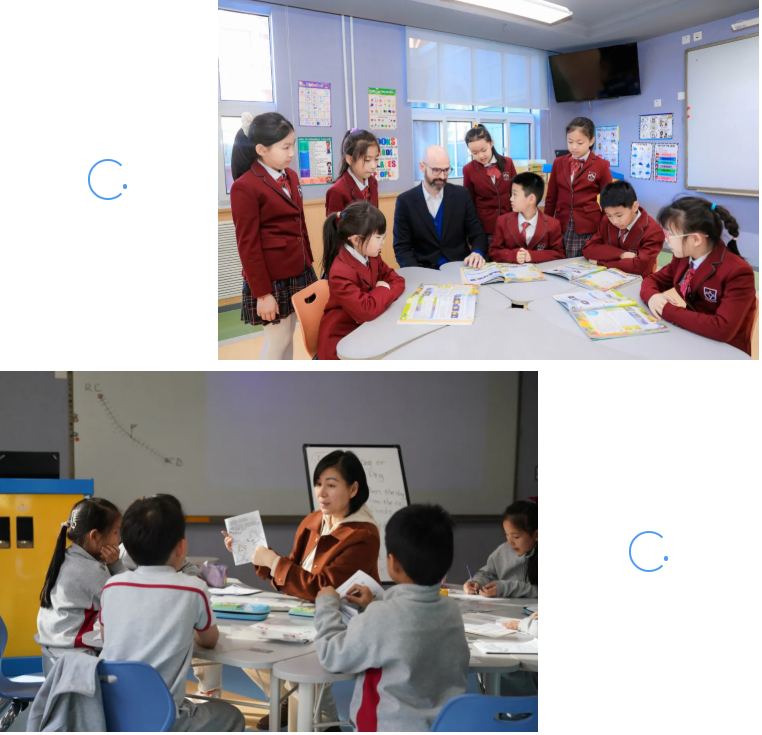
在爱迪,语言不是“学”会的,而是在真实语境中“习得”的。
就像母语者不会先背语法再开口说话一样,孩子对英语最自然、最有效的掌握,也来自长期的语言浸润与真实表达。
因此,我们更关注孩子是否敢于表达、乐于交流,是否能够自然地用英语描述观察、分享想法、理解世界。
一个二年级孩子曾在写作中写下这样一句话:
An anteater’s tongue is a slide—ants line up for fun!
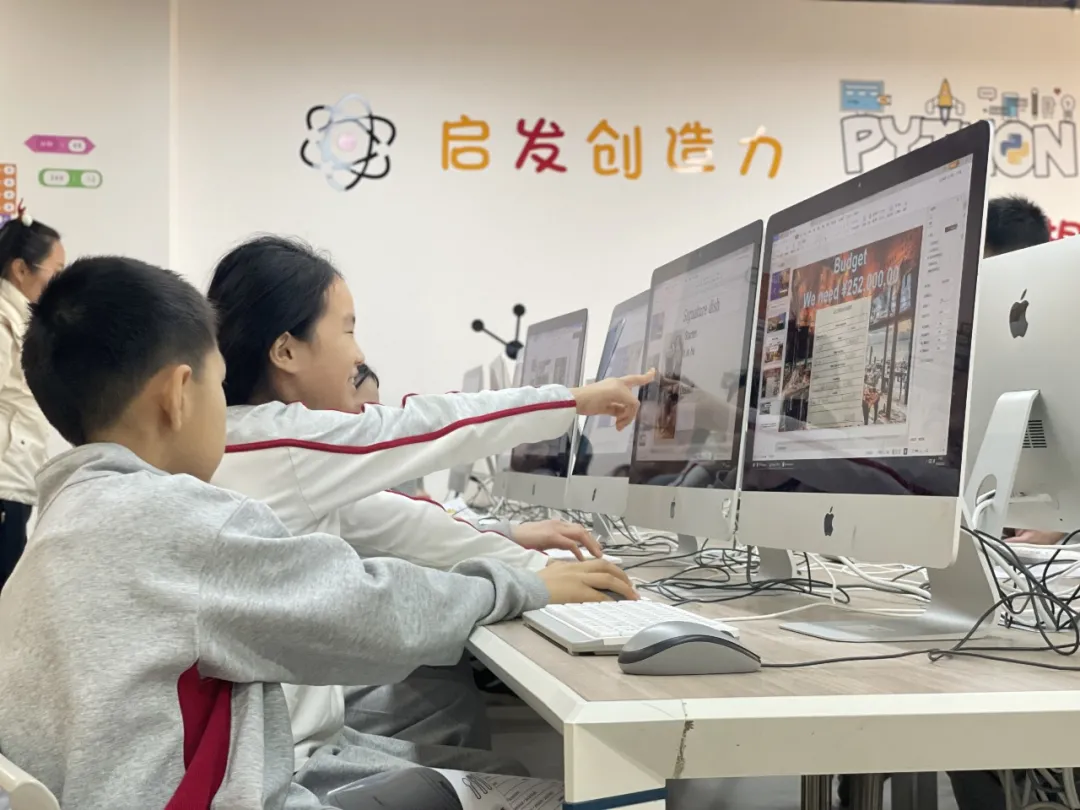
没有刻意套用的句式,也没有生硬的语法堆砌,只有孩子的想象力自然流淌在语言里。这样的表达,正来源于Writer’s Workshop写作工坊长期营造的沉浸式语言环境。
在这里,英语不是被讲解的知识点,而是真实使用的语言。孩子在阅读中积累语感,在讨论中建立表达,在写作中形成思维。
为了让孩子像母语者一样自然习得英语,爱迪小学并不依赖单一教材和统一进度,而是构建了“主教材+校本课”双核驱动、数字化辅助的立体课程体系。
我们尊重每个孩子不同的语言基础、认知节奏与兴趣特点,让孩子在适合自己的语言环境中持续浸润、自然成长。
核心骨架:剑桥Super Minds
作为课程主线,剑桥Super Minds并不只关注语言知识本身,而是将英语学习放回真实交流与思维发展的过程中。
课程以生活化主题为核心,通过大量互动、讨论与情境表达,引导孩子在使用语言的过程中建立语感、发展思维,而不是停留在机械记忆与被动输入。
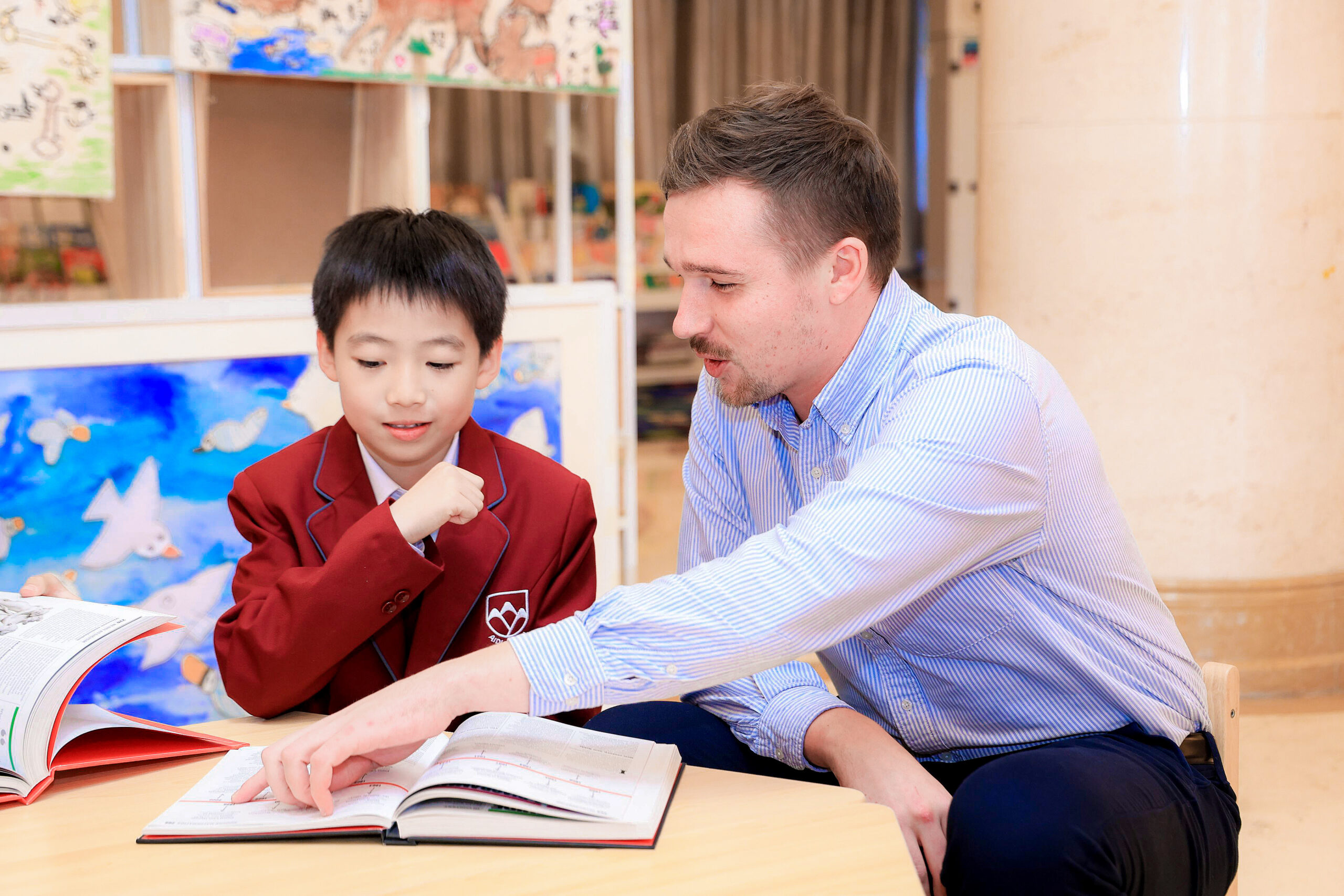
孩子学习的,也不只是单词和语法,更是如何用英语观察、理解与表达世界。
与此同时,课程内容与国际英语标准深度衔接,为后续国际课程学习与国际测评打下扎实基础。
特色双翼:阅读&写作,双重能力跃升
真正的语言能力,离不开长期、持续的输入与输出。
因此,爱迪小学深度融合指导性阅读与写作工坊,遵循母语习得规律,让孩子在大量阅读、真实表达与持续创作中,逐渐建立英语思维。
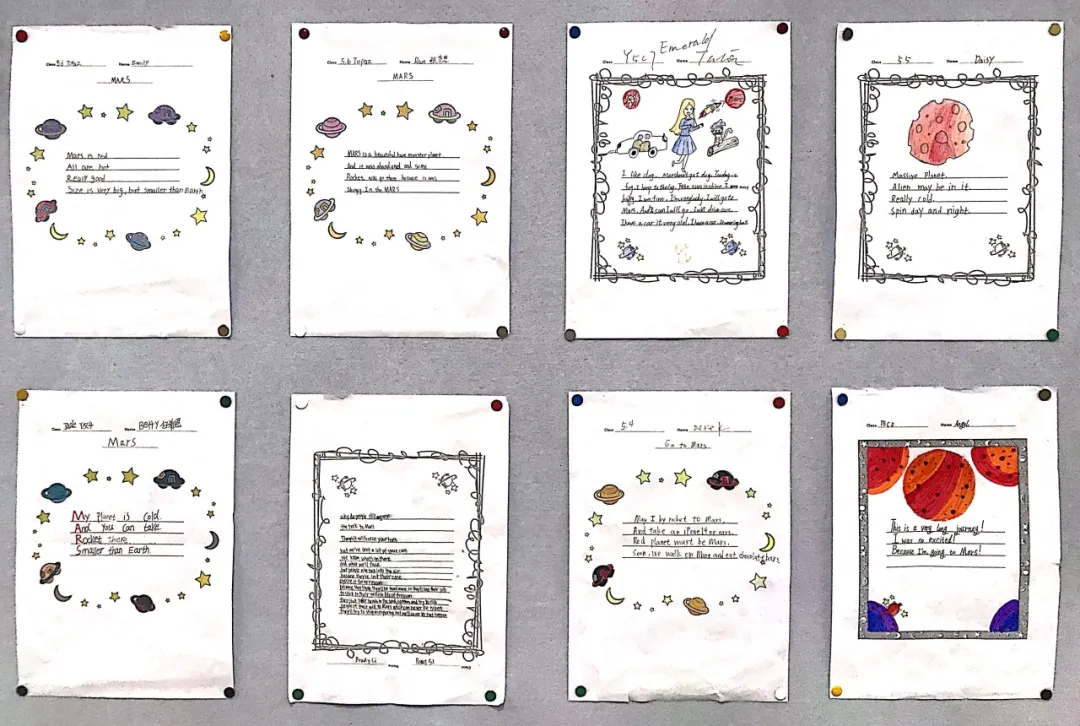
启蒙期(1-2年级)
聚焦自然拼读与绘本阅读,通过故事、游戏与互动表达保护孩子的语言兴趣。不强调机械背诵,而是在反复聆听、阅读与表达中慢慢建立语感,培养自主阅读能力。
进阶期(3-4年级)
随着阅读量积累,孩子开始接触叙事类与说明类写作。他们逐渐学会梳理表达逻辑,并将阅读中积累的词汇、句式与表达方式,自然迁移到写作中。
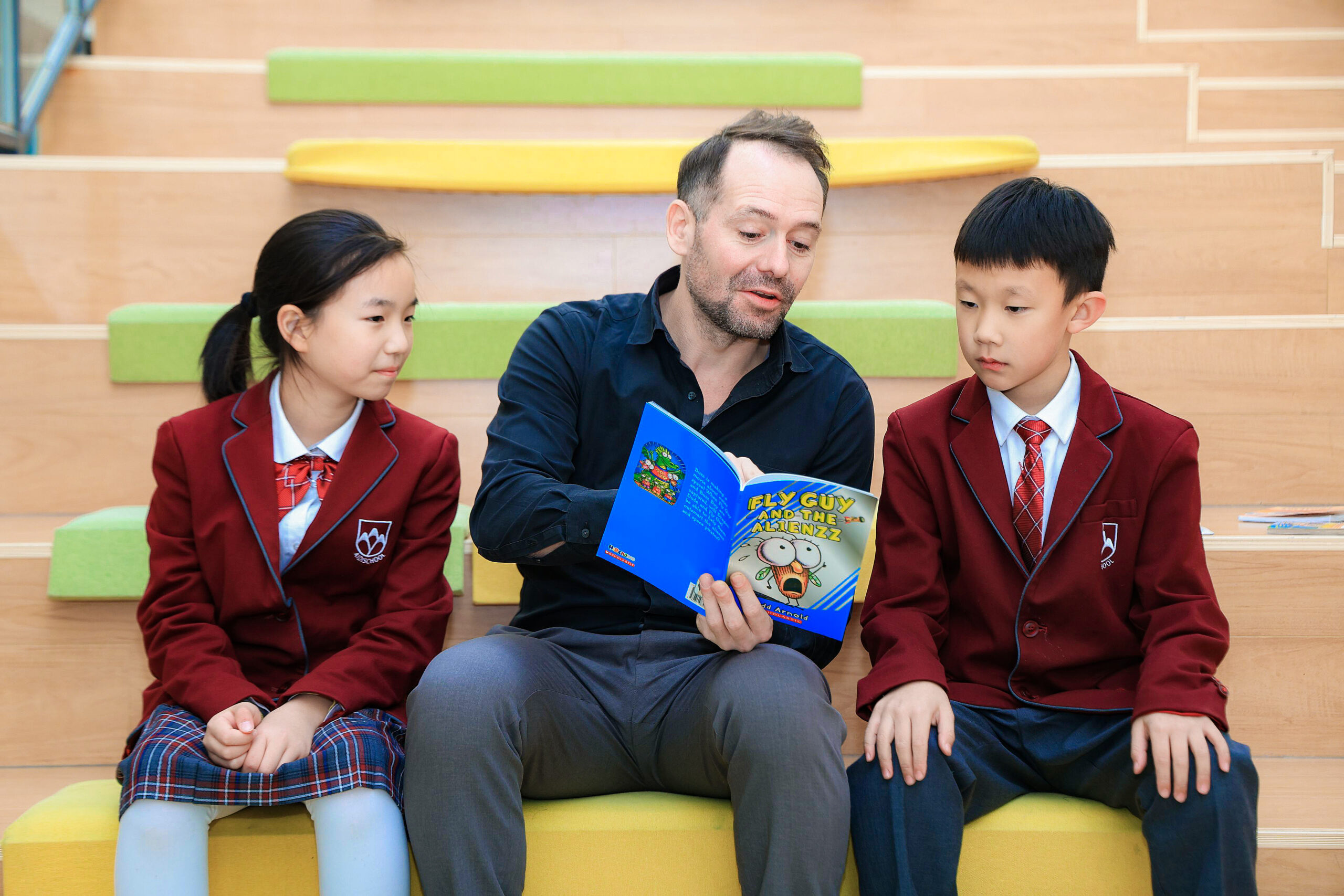
高阶期(5-6年级)
课程进一步走向深度阅读与观点表达。孩子开始分析文章结构、培养批判性阅读能力,并尝试通过英语清晰表达观点、组织论证,让语言真正成为思考的工具。
助力引擎:海量分级资源
除了纸质原版经典读物,学校还引入MyON、Read Theory等在线分级阅读平台,根据孩子的阅读水平与兴趣偏好智能匹配内容。
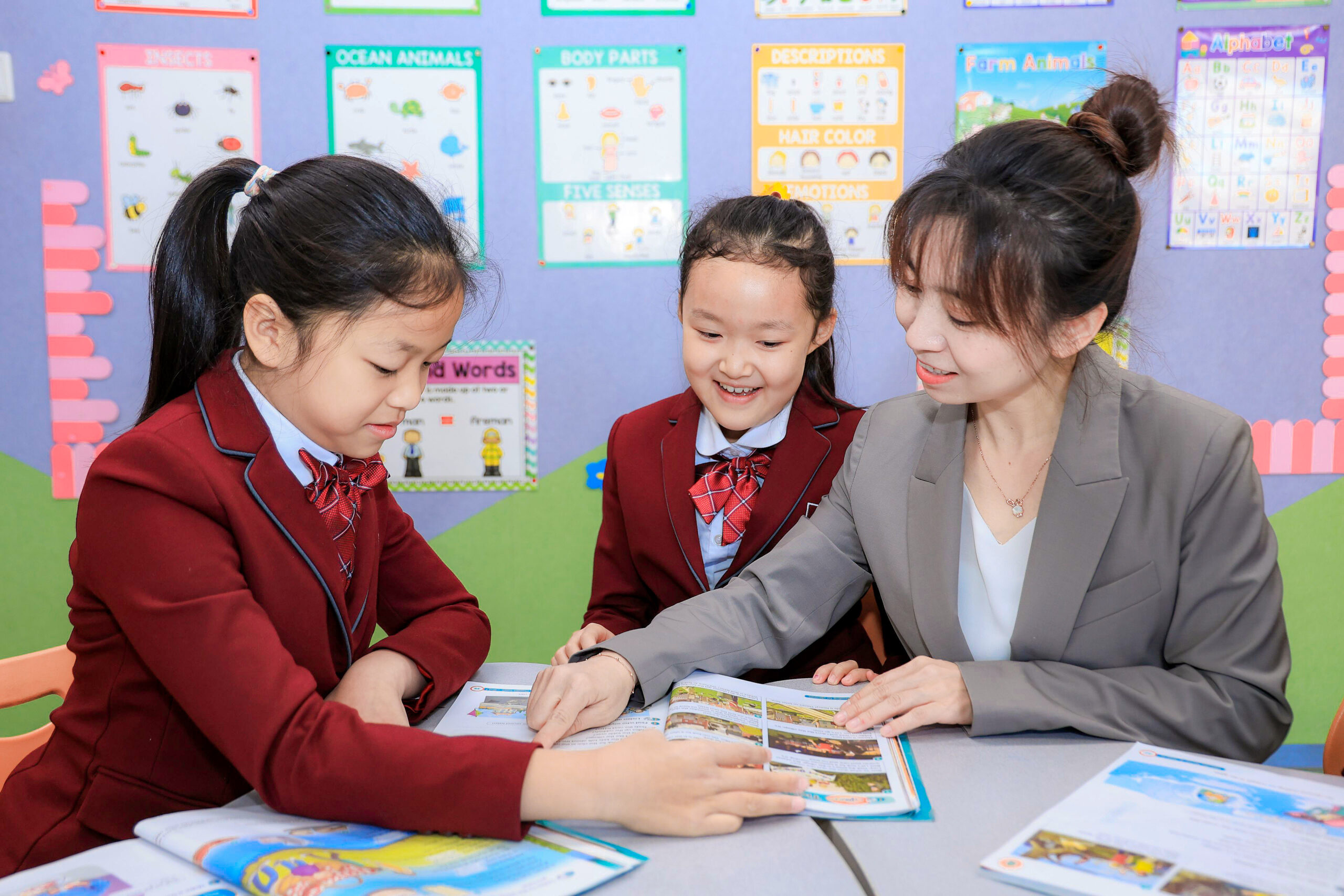
每个孩子都能在适合自己的节奏中持续阅读,在长期浸润中不断积累语感、扩大表达边界。平台还会自动记录阅读轨迹与理解情况,帮助教师及时调整阅读方向,让语言成长真正做到因人而异、循序渐进。
在爱迪小学,我们打破传统课堂中“老师讲、学生听”的单向模式,将覆盖1至6年级的PBL项目式学习作为英语课堂的重要核心,让孩子真正成为课堂的主角,在实践中学习,在探索中成长。
相比于反复训练标准答案,我们更希望孩子能够提出问题、解决问题,并在真实情境中自然使用语言。
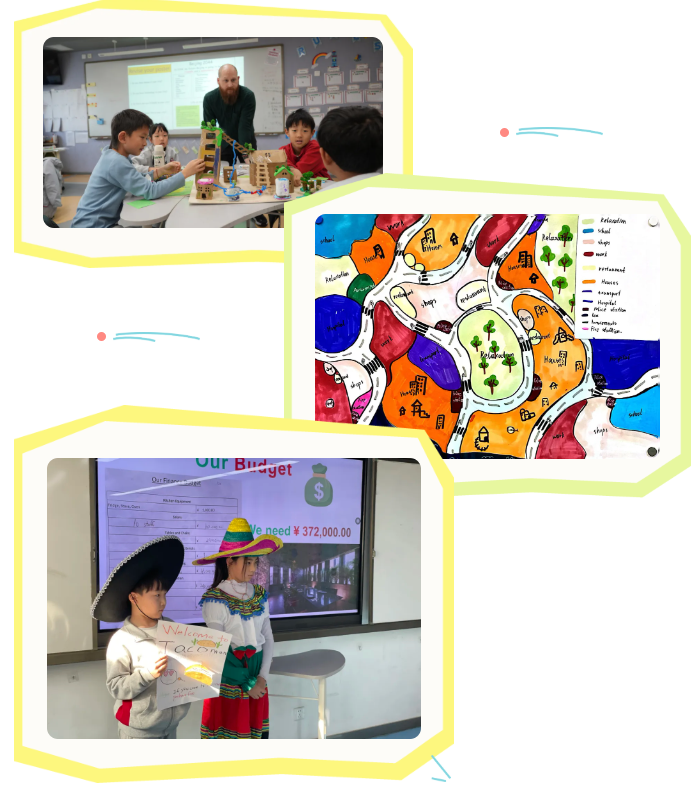
一个完整的PBL学习周期通常持续4到6周,各个阶段层层递进:
第一阶段:提出问题
围绕一个真实议题展开探究,例如“如何为濒危动物设计一个家”。问题不再来自试卷,而是来源于生活、社会与真实世界。
第二阶段:调研探索
学生分组查阅全英文原版资料,学习相关词汇与表达,自主筛选信息、整理知识。在这个过程中,语言学习与思维训练同步发生。
第三阶段:制作协作
小组成员根据调研结果绘制蓝图、制作模型或撰写英文方案。在不断沟通、讨论与协作中,孩子们开始真正使用英语去解决问题。
第四阶段:展示路演
学生像TED演讲者一样,用英语完整阐述自己的设计思路与实践成果。在公开表达中,口语能力、逻辑表达与自信心不断建立。
第五阶段:反思复盘
项目结束后,学生会总结项目中的收获与不足,进一步内化语言知识与思维方法。
为了表达自己的设计理念,他们会主动查阅生涩的环保词汇;为了说服同伴认可自己的方案,他们会不断调整演讲逻辑与表达方式;为了完成团队合作,他们需要倾听、沟通、协商,并清晰表达自己的观点。
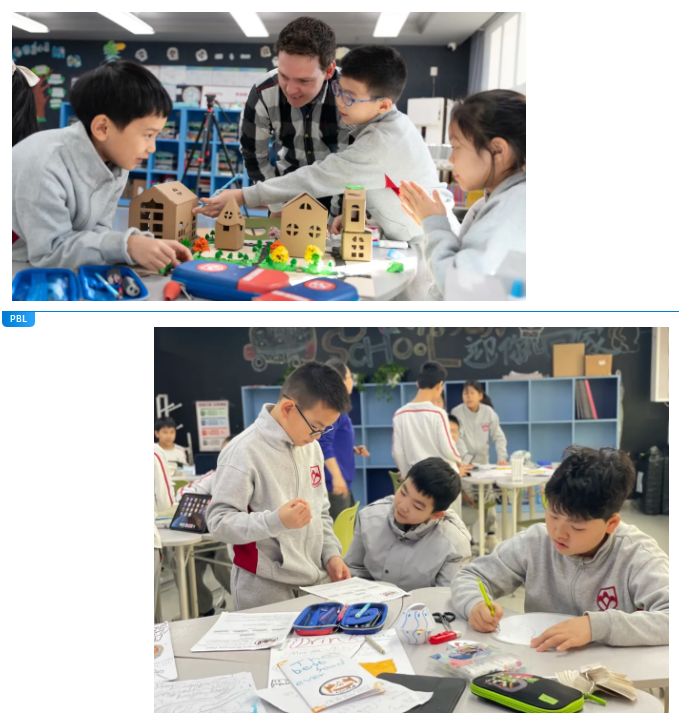
当孩子真正沉浸于解决问题的过程中时,他们甚至会忘记自己正在学英语。语言也不再是需要完成的学习任务,而成为帮助他们探索世界、表达想法的重要媒介。
这种在真实场景中自然发生的语言习得,也远比单纯的刷题训练更加深刻,更具生命力。
爱迪始终坚持“素养培养+标化提升”双轨并行的培养路径,让能力成长与考试成果同步发生。
依托每周9节英语课程的高频浸润,以及中外教协同授课的语言环境,爱迪小学学生在国际标准化考试中持续保持优异表现:
90%的毕业生达到KET水平
30%至40%的毕业生达到PET水平
部分优秀学生在小学阶段便获得FCE证书,相当于大学英语四级水平
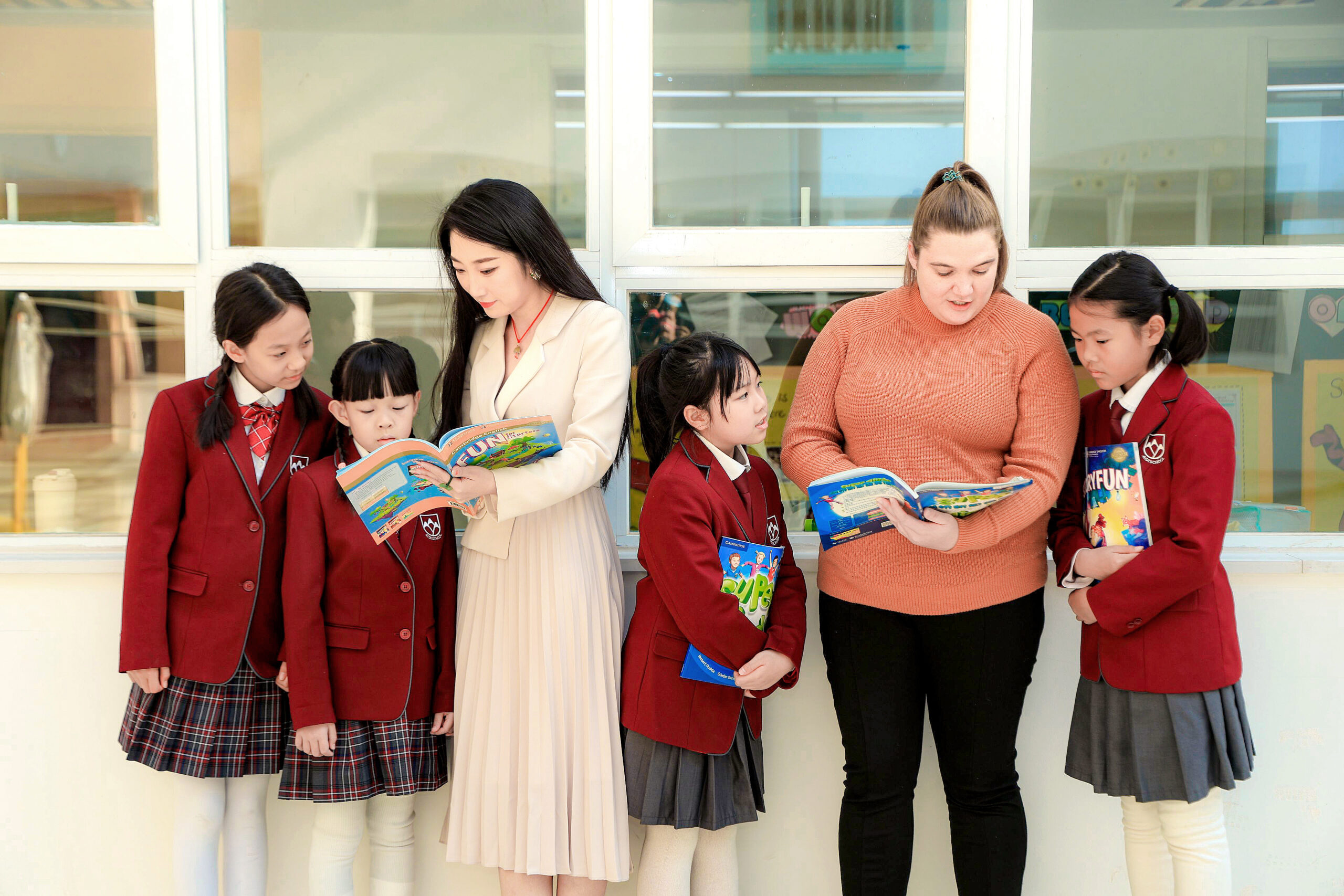
这些成绩的背后,并非依赖题海训练,而是长期语言积累后的自然呈现。
在日常课堂中,孩子通过大量阅读、真实表达、项目展示与写作训练,逐步建立起完整的语言能力体系。无论是阅读理解、听力逻辑,还是口语表达与写作结构,都在持续使用中得到充分锻炼。
在素养提升的过程中,学生也会自然掌握考试所需的核心能力。
与此同时,学校的日常课程内容本身便深度覆盖国际考试考点,无需额外进行低效重复训练。考前阶段,学校会专门开设专项辅导课程,帮助学生针对性梳理题型、拆解考点、熟悉考试节奏,让孩子能够更加从容地应对各类国际测评。
爱迪英语教师平均教龄约10年,具备丰富的少儿英语教学经验,熟悉不同年龄段孩子的学习特点与成长规律。所有教师均通过剑桥官方教学培训,其中85%以上拥有剑桥KET/PET考官资格。
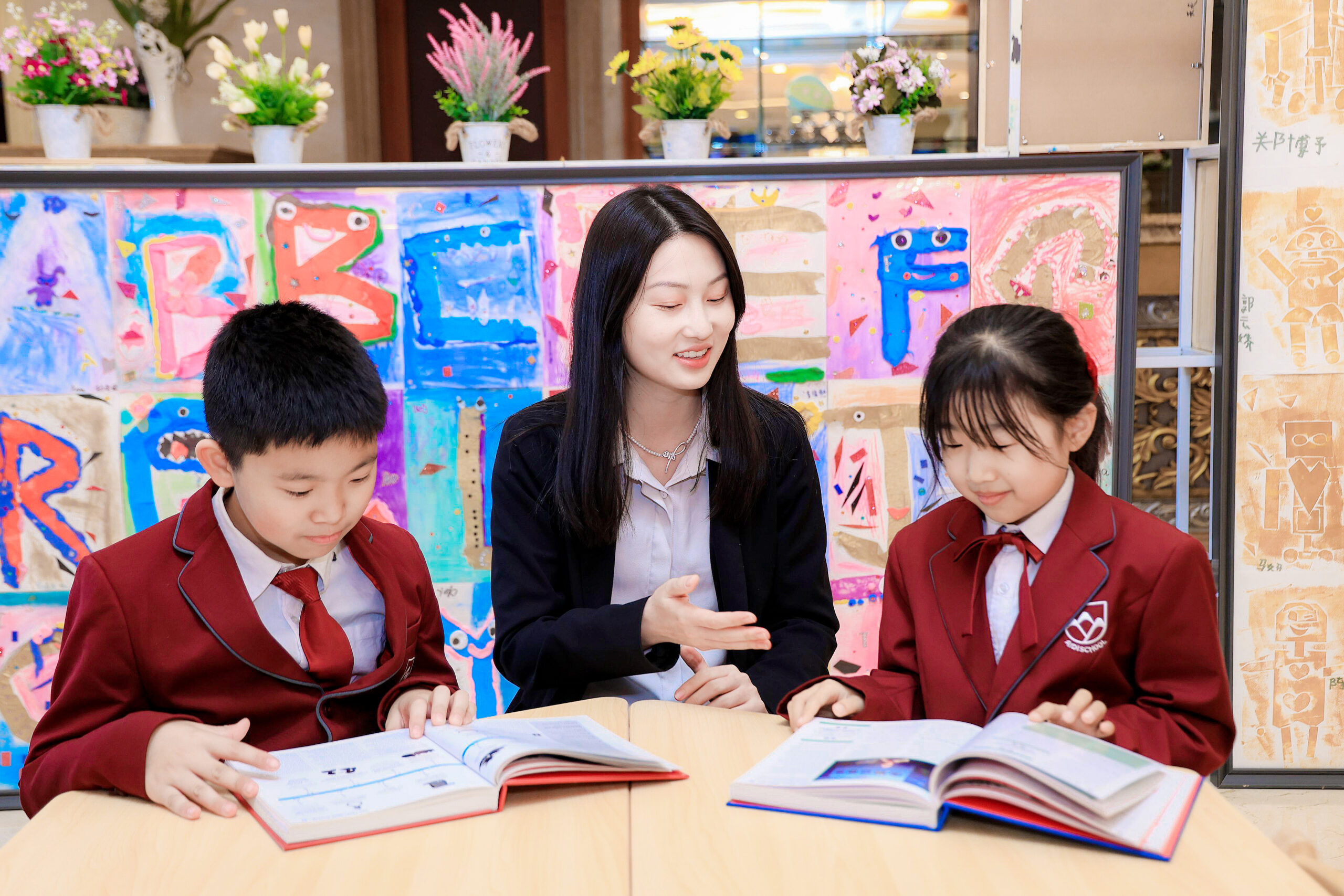
这意味着,老师不仅懂教学,更真正理解国际英语测评背后的能力标准,能够精准把握孩子在听、说、读、写各维度的发展情况,并给予更加专业、科学的学习指导。
真正有效的学习评估,不应只停留在一张期末试卷上。相比单一分数,我们更关注孩子在学习过程中的真实成长。
因此,学校建立了360°多元评估体系,让孩子的每一次进步都能被及时记录与看见。
学校每年开展三次专项测试,涵盖Sight Words高频词、阅读、听力及写作等多个维度,帮助教师精准了解学生的语言发展情况。同时,课堂演讲、项目展示、Seesaw平台上的作业视频与朗读记录,也都会纳入日常评估。
通过期中一对一面谈与Seesaw动态反馈,家长能够持续看到孩子从不敢开口到主动表达的成长过程,让语言能力的提升真正变得可见、可追踪。
与此同时,爱迪一贯制培养体系,也为孩子提供了更加稳定的发展路径。
小学毕业后,学生可直升本校初中,继续使用剑桥体系教材,实现课程与能力培养的无缝衔接。从兴趣启蒙到能力深化,孩子始终能够在连续、系统的国际化环境中稳步成长。
英语教育从来不只是学习一门语言。
它既需要扎实的积累,让孩子拥有走向世界的底气;也需要面向未来的视野,让孩子拥有表达、思考与探索世界的能力。
从自然拼读的第一个音节,到PBL课堂上的自信表达,英语一点点塑造孩子理解世界的方式。
而比学会英语更重要的,是孩子在这个过程中,逐渐成长为一个敢于表达、善于思考、拥有国际视野的人。
In recent years, AI has been rapidly breaking down language barriers. Real-time translation and AI writing have made language conversion increasingly effortless. So, does learning English still matter?
At Aidi Primary, the answer is yes. But the English learning we believe in is not about passive language conversion, but active thinking and expression.
What truly matters is enabling children to think, express, and communicate naturally in English like native speakers, building language intuition and cultural understanding in authentic contexts, and gradually developing the ability to function without relying on translation tools.
Beyond Labels: Using English to Understand the World
At Aidi, language is not something children learn by studying. It is something they acquire naturally in authentic contexts.
Just as native speakers do not memorize grammar rules before learning to speak, the most natural and effective way for children to master English comes from long-term immersion and genuine expression.
That is why we care more about whether children dare to express themselves, enjoy communicating, and can naturally use English to describe what they see, share their ideas, and understand the world.
A second-grade student once wrote: An anteater’s tongue is a slide, and ants line up for fun.
There were no forced sentence patterns or mechanical grammar structures, only a child’s imagination flowing naturally through language. This kind of expression comes from the immersive language environment cultivated over time in Writer’s Workshop.
Here, English is not a set of knowledge points to be explained. It is a language used authentically. Children build intuition through reading, develop expression through discussion, and form thinking through writing.
Curriculum Framework: A Dual-Core Model
To help children acquire English naturally like native speakers, Aidi Primary does not rely on a single textbook or uniform pacing. Instead, we have built a multidimensional learning system driven by core textbooks and school-based courses, supported by digital tools.
We respect each child’s unique language foundation, cognitive rhythm, and interests, allowing them to grow steadily through sustained immersion in a learning environment that suits them.
Core Foundation: Cambridge Super Minds
As the main curriculum backbone, Cambridge Super Minds does not focus solely on language knowledge. Instead, it places English learning within the process of authentic communication and thinking development.
Each lesson centers around real-life themes, using interactive activities, discussions, and contextual expression to guide children in building intuition through actual language use, rather than staying stuck in rote memorization and passive input.
What children learn is not just vocabulary and grammar, but how to observe, understand, and express the world in English.
At the same time, the curriculum is closely aligned with international English standards, laying a solid foundation for future international coursework and assessments.
Two Signature Pillars: Reading and Writing
True language ability depends on long-term, sustained input and output.
That is why Aidi Primary deeply integrates Guided Reading and Writer’s Workshop, following the natural patterns of language acquisition. Through extensive reading, authentic expression, and continuous creation, children gradually build English thinking.
Foundation Stage (Grades 1 to 2)
Students focus on phonics and picture book reading. Through stories, games, and interactive expression, children develop a love for language. There is no emphasis on mechanical memorization. Instead, intuition is built gradually through repeated listening, reading, and speaking, as independent reading skills take root.
Development Stage (Grades 3 to 4)
As reading volume grows, students begin to explore narrative and informational writing. They learn to organize their thoughts logically and naturally transfer vocabulary, sentence patterns, and expressions from their reading into their own writing.
Advanced Stage (Grades 5 to 6)
The curriculum moves toward deeper reading and opinion writing. Students learn to analyze text structure, develop critical reading skills, and express their views clearly in English while organizing arguments. Language truly becomes a tool for thinking.
A Powerful Learning Engine: Extensive Leveled Resources
Beyond classic printed English readers, the school also uses online leveled reading platforms such as MyON and ReadTheory. These platforms intelligently match content to each child’s reading level and interests.
Every child can read continuously at their own pace, steadily building intuition and expanding their expressive range through long-term immersion. The platforms automatically track reading progress and comprehension, helping teachers adjust reading focus as needed, so language growth is truly personalized and tailored to each child, progressing step by step.
Beyond Passive Learning: Growing Through Exploration
At Aidi Primary, we move beyond the traditional one-way classroom model of teacher lectures and students listening. Project-Based Learning, implemented from Grades 1 to 6, serves as a core part of our English program, allowing children to become active participants in their own learning. They learn through practice and grow through exploration.
Rather than repeatedly practicing standard answers, we want children to ask questions, solve problems, and use language naturally in authentic situations.
A complete PBL cycle typically lasts four to six weeks, with each stage building upon the previous one.
Stage One: Asking Questions
Students explore real-world topics, such as how to design a home for endangered animals. Questions no longer come from worksheets alone, but from life, society, and the world around them.
Stage Two: Research and Exploration
Working in groups, students read authentic English materials, learn relevant vocabulary and expressions, and independently collect and organize information. Language development and critical thinking evolve simultaneously.
Stage Three: Collaboration and Creation
Based on their research findings, students create blueprints, build models, or write English proposals. Through ongoing communication, discussion, and teamwork, children begin to truly use English to solve problems.
Stage Four: Presentation and Showcase
Like TED speakers, students present their ideas and project outcomes fully in English. Through public speaking, they gradually build confidence, logical expression, and communication skills.
Stage Five: Reflection and Retrospective
After completing the project, students reflect on both achievements and areas for improvement, further internalizing language knowledge and ways of thinking.
To communicate their design ideas effectively, children actively look up unfamiliar environmental vocabulary. To persuade teammates to accept their proposals, they continuously refine their presentation logic and delivery. To succeed in teamwork, they learn to listen, negotiate, and clearly express their own views.
When children become fully immersed in solving meaningful problems, they may even forget they are learning English. Language is no longer an academic task to complete, but a meaningful medium that helps them explore the world and share their ideas.
This kind of authentic language acquisition, happening in real contexts, is far more profound and lasting than test drilling alone.
A Dual Track: Holistic Growth and Standardized Achievement
Aidi has always followed a dual-track approach that combines holistic competency development with strong standardized assessment outcomes.
Supported by nine English lessons per week and a collaborative Chinese and foreign teacher teaching model, Aidi Primary students consistently achieve excellent results on international standardized tests.
90 percent of graduates reach KET level.
30 to 40 percent reach PET level.
Some top students obtain FCE certificates during primary school, equivalent to CET-4 proficiency.
These results are not produced by endless test drilling, but emerge naturally from years of authentic language accumulation.
In daily classes, through extensive reading, authentic expression, project presentations, and writing practice, children gradually build a complete language competency framework. Reading comprehension, listening logic, speaking fluency, and writing structure are all strengthened through continuous use.
As students grow holistically, they naturally develop the core skills needed for assessments.
At the same time, the school’s daily curriculum already deeply covers international exam content, eliminating the need for inefficient repetitive drilling. Before exams, the school offers targeted coaching sessions to help students systematically approach question types, break down exam points, and become familiar with test pacing, allowing them to face international assessments with greater confidence.
Aidi English teachers average nearly ten years of teaching experience and possess extensive expertise in young learner education. They understand the learning characteristics and developmental patterns of children at different ages. All teachers have completed Cambridge official teaching training, and more than 85 percent hold Cambridge KET and PET examiner qualifications.
This means teachers not only understand how to teach, but also truly grasp the competency standards behind international English assessments. They can accurately assess each child’s development across listening, speaking, reading, and writing, providing more professional and scientifically sound guidance.
A Seamless Educational Pathway
Meaningful assessment should never be limited to a single final exam paper. More importantly than a single score, we care about a child’s authentic growth throughout the learning process.
Therefore, the school has established a 360-degree assessment system, ensuring that every step of progress can be documented and seen in a timely manner.
The school conducts three specialized assessments annually, covering sight words, reading, listening, and writing, helping teachers accurately understand each student’s language development. Classroom presentations, project showcases, and videos or reading recordings uploaded to the Seesaw platform are also included in daily assessment.
Through midterm one-on-one conversations and Seesaw’s dynamic feedback, parents can continuously witness their child’s growth from being afraid to speak to actively expressing themselves, making language proficiency truly visible.
At the same time, Aidi’s articulated K-12 system provides students with a stable pathway for development.
After completing primary school, students can directly enter our middle school, continuing with the Cambridge curriculum framework for seamless alignment between coursework and competency development. From initial interest and foundation building to deepening skills and abilities, children grow steadily within a consistent international environment.
English education has never been simply about learning a language.
It requires both solid foundations that give children the confidence to step into the world, and a future-oriented vision that gives them the ability to express, think, and explore.
From the first sound of phonics to confident presentations in PBL classrooms, English gradually shapes how children understand the world.
And more important than mastering English itself is the person a child becomes through this process: someone who dares to express themselves, knows how to think, and possesses a global perspective.