多通道升学
连续15年一站式高端教育
全国招生

如何评判一所学校的学术质量?
是看有多少名校背景的老师?
是看升学榜单上的数字是否耀眼?
还是看教育理念是否先进、课程体系是否多元?
这些都没有错。它们是学校实力的显性标签,也是最容易感知到的维度。但如果只停留在这些层面,可能会忽略一个更深层的问题:这些看得见的成果,是如何发生的?
优秀的老师需要专业的成长土壤,升学成绩背后是教学体系的持续打磨,而教育理念与课程,只有在被深刻理解并持续转化为日常课堂实践时,才有意义。
归根结底,真正决定一所学校学术质量的,往往不只是那些显性的元素。在一个快速变化的世界里,唯有在包容的氛围中形成一种持续改进的文化,才能为一切看得见的成果提供持久的动力。这种文化无形,却有力。
这正是北京爱迪学校坚持深耕的方向:从真实课堂里沉淀师生的反思,走向深层教育研究,再向同行分享,最后回到课堂实践,走成一个完整的、不断转起来的闭环。
用反思性研究推动教学进化
面对当下教育中的普遍难题,爱迪的学术研究团队近期开发了名为TSET(教育转型培训支持)的行动研究框架,致力于帮助全球各地的学校应对技术、社会和经济转型带来的快速变化。 论文《支持第四次工业革命中的复杂教育转型:一项数字素养PBL案例研究》(Supporting Complex Educational Transformation in the Fourth Industrial Revolution: A Digital Literacy PBL Case Study)由北京爱迪学校校长刘丽博士、学术校长兼教育研究与创新中心(ERIC)总监Russell Hazard博士、ERIC副总监陈畅老师联合北京师范大学及加拿大菲沙河谷大学教授共同完成。
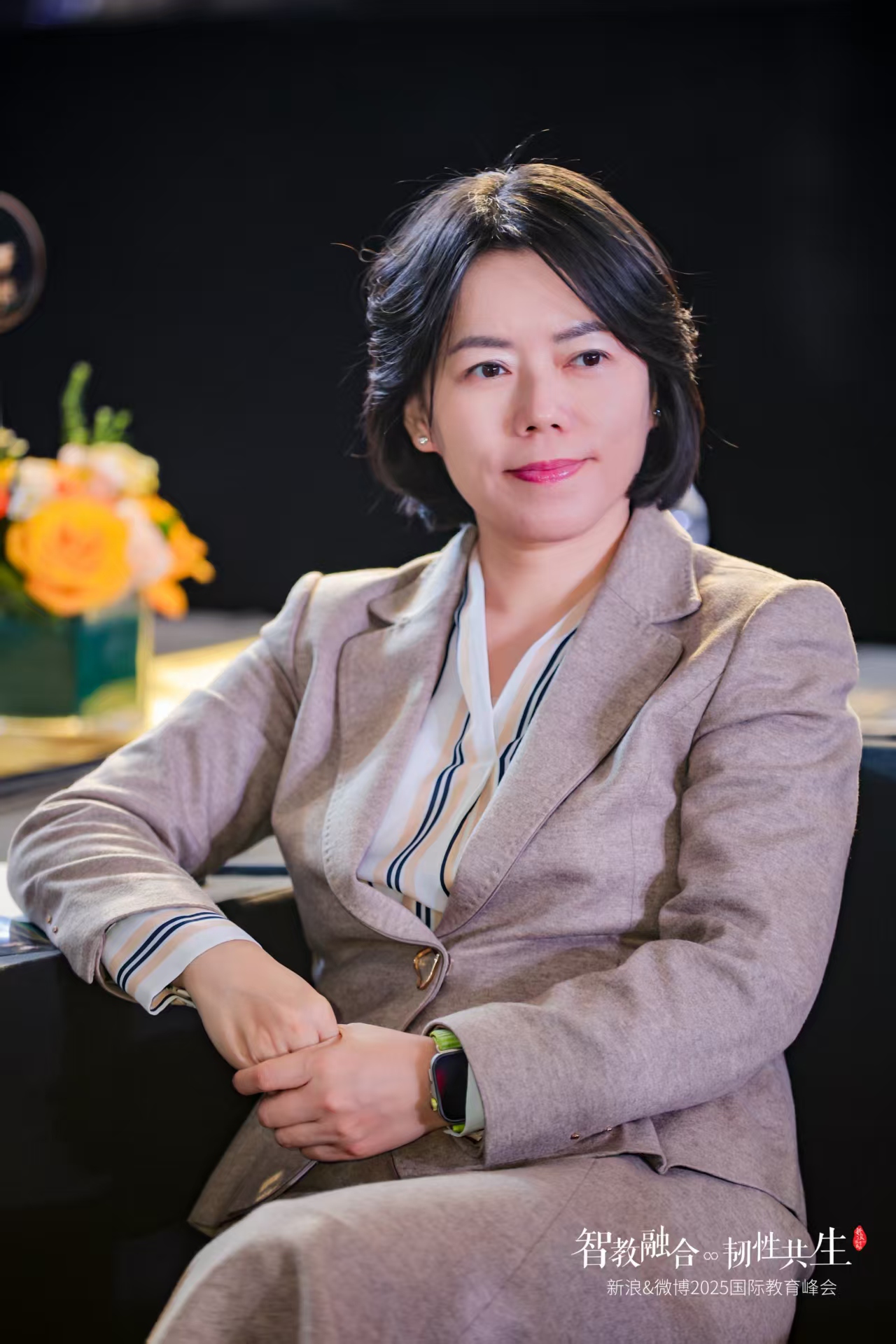
作为中国最具前沿性的教育研究中心之一,北京爱迪学校教育研究与创新中心(ERIC)主导构建了TSET行动研究框架。这一全新的行动研究体系,不仅是跨机构协同创新的成果,更体现了爱迪在教育剧变时代中,推动持续改进与系统化变革的专业能力。
当下的教育正处在快速变革之中:学科知识持续更新,技术不断重塑课堂形态,教学方式也随之加速调整。然而,学校能调动的资源始终是有限的。
在这样的背景下,一个课堂中的现实问题因此变得越来越突出:当教师需要同时面对新学科内容、新教学方式、新技术工具时,什么样的支持才能真正帮他们完成转型,并最终让学生受益?
这项研究正是从这个真实问题出发。它根据不同教育体系所面临变革的深度,探讨了支持教育工作者的不同方式,尝试为“有限资源下如何有效支持教师”这一现实难题,提供一个更具实践意义的回应。
达而兼济,创造“爱迪效应”
如果说学术研究体现了一所学校的专业深度,那么能够将这些经验向外延展,参与更大范围的教育发展,则意味着一种更具影响力的存在。
相比于研究成果本身,更重要的是让研究真正走出校园,转化为能够被更多教育者共享与借鉴的实践经验。北京爱迪学校正是以此为出发点,努力用自身的探索与实践,回应中国教育发展进程中的真实需求,为国内教育质量的提升贡献一份力量。
作为剑桥教师发展委员会中国区仅有的六位教育专家之一,同时也是北京地区唯一代表,爱迪学术校长兼教育研究与创新中心(ERIC)总监Russell Hazard博士深度参与全国范围内的教师专业发展体系建设。
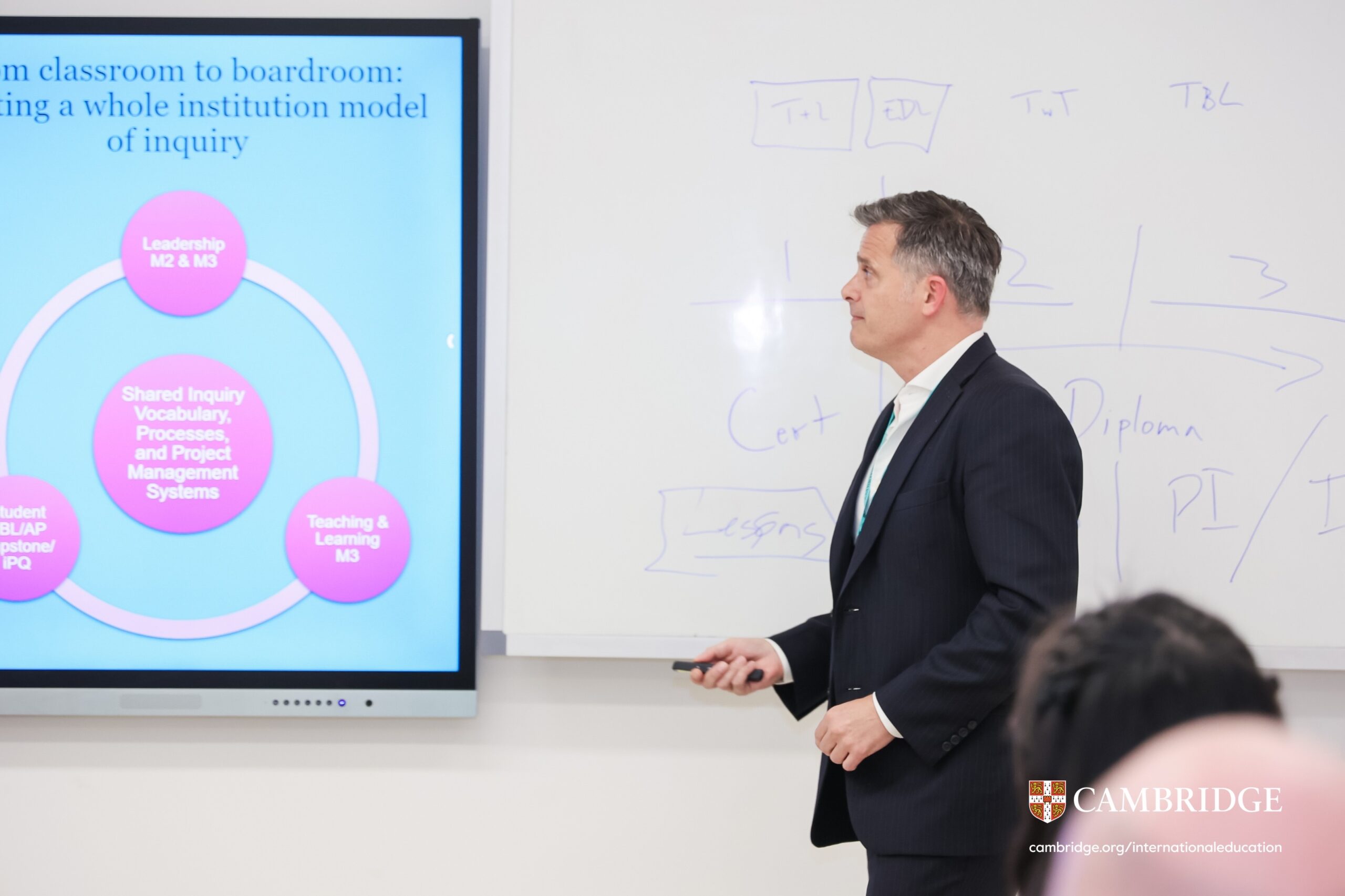
其中包括参与K12教育教师发展相关活动的战略规划,也涵盖面向全国学校教师开展实践讲座、专题论坛主持以及教师专业培训等工作,持续推动教师专业能力与教育实践水平的提升。
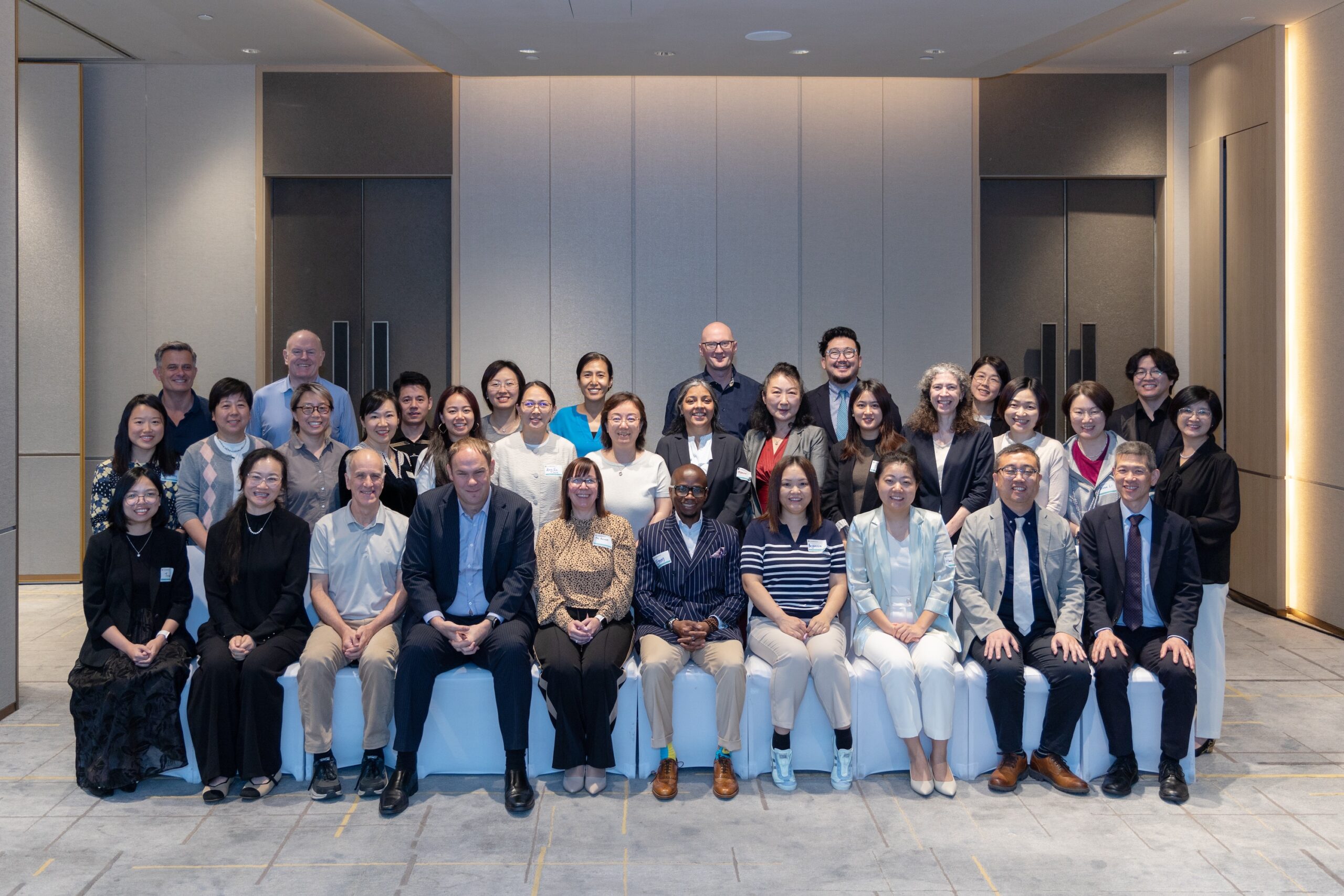
在2026年剑桥东亚地区会议上,Russell Hazard 博士面向来自全国各地的教育管理者,系统阐述了如何通过广泛开展行动研究,推动学校从传统教学模式走向以探究为核心的学习方式,并以项目式学习为抓手,带动课堂质量的整体提升。
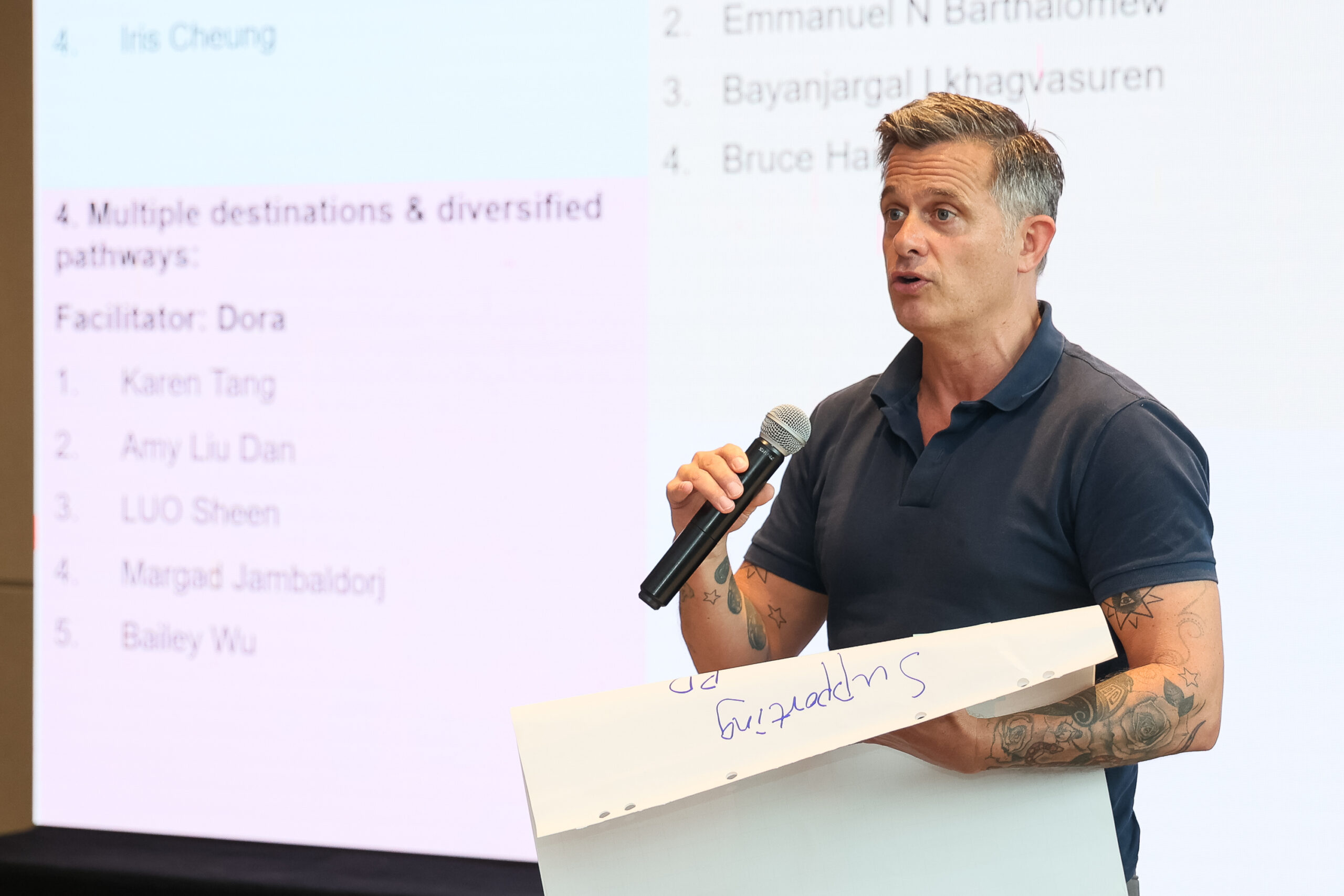
这一分享的价值,不仅在于方法本身,更在于提供了一条可被验证、可被复制的路径。如何从理念出发,最终落实到课堂,再通过教研体系形成持续改进机制,这正是当前许多学校在转型过程中最为关键、也最具挑战的一环。
爱迪ERIC中心目前已面向全国教师开放剑桥专业发展课程,持续推动全国范围内的教师专业成长与教育实践创新。
与此同时,爱迪也将学术研究成果与专业经验延展至高等教育领域,为高校教师开展培训讲座与专题工作坊。相关项目已覆盖山东、天津、广西等地高校,并逐步拓展至印度、日本、马来西亚、卢旺达、新加坡、泰国及英国等多个国家。
近日,Russell Hazard博士在天津为高校与职业院校教授开展《进阶PBL设计与教学》(Advanced PBL Design and Teaching for Higher Education)专题培训,围绕如何在大学课堂中设计与实施高质量项目式学习展开系统指导。
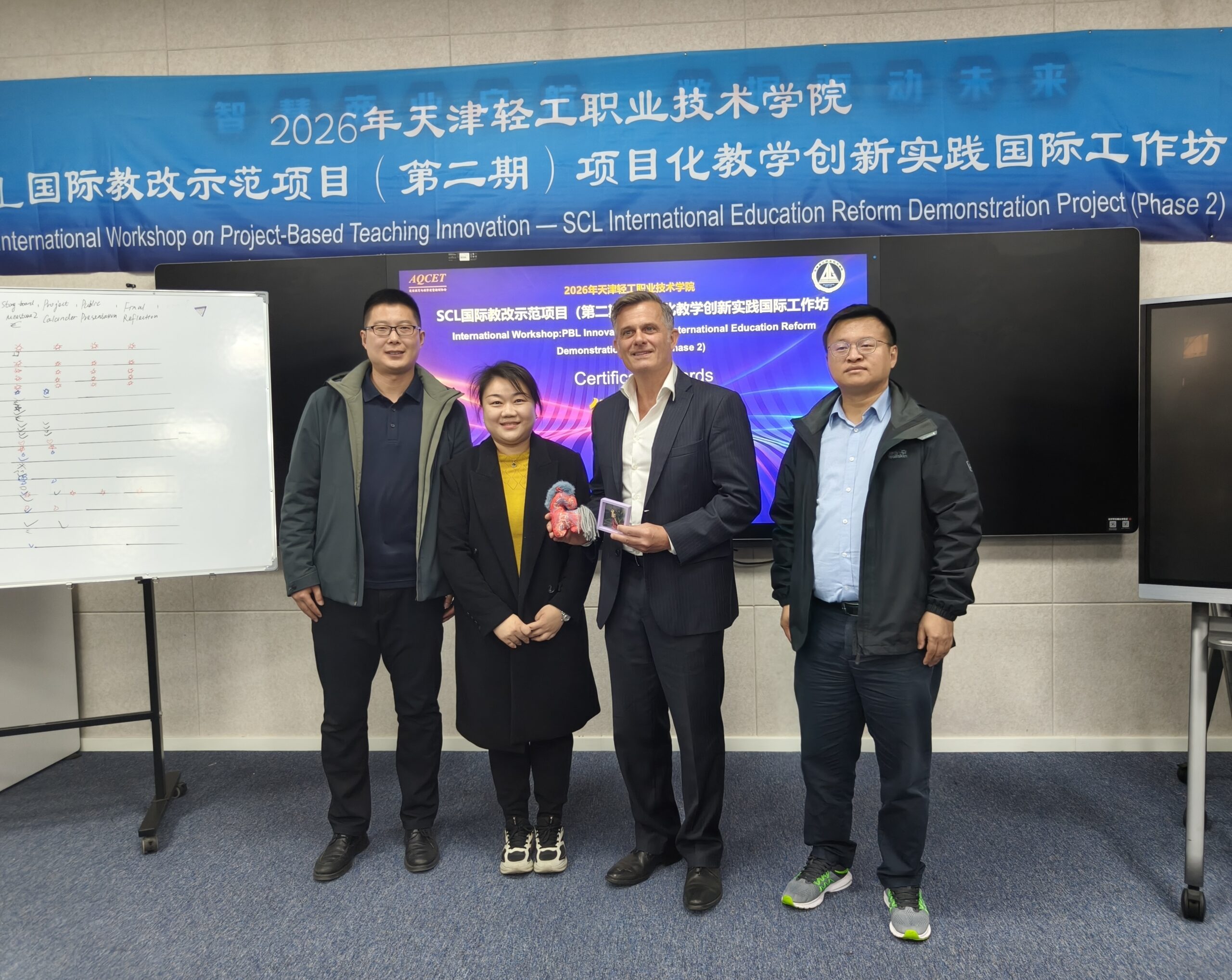
这也意味着,爱迪在项目式学习设计、课堂实施与教师专业发展方面积累的经验,已经形成较为成熟的方法体系,具备跨学段迁移与推广的能力,能够支持从K-12教育到高等教育的教学改进。
无论是面向全球学校与大学的合作交流,还是立足中国教育发展需求的长期实践,爱迪始终致力于将自身的教育研究与创新经验,转化为更广泛的教育价值。
一所真正优秀的学校,不仅致力于成就自己的学生,也愿意将长期积累的方法与思考,分享给更广阔的教育同行。从校内课堂,到全国教师发展体系;从中小学实践,到大学教学支持,北京爱迪学校正在逐步形成一种更具延展性的教育影响力。
回到开头的问题:如何评判一所学校的学术能力?
名师、升学、理念、课程,这些显性的标签固然重要。但在快速变化的教育环境中,真正决定一所学校高度的,是其驾驭变革与转型的系统能力。而这一切的根基,始终落在一点:让每一个孩子都能被真正看见、被真正包容。
一所学校能否敏锐捕捉到课堂中的真实问题,能否通过持续的研究不断迭代解法,并让这些成果真正回落到教学之中、惠及每一个学生,这些最终决定了它的教育质量与其所能抵达的高度。
在爱迪,这种有意识的转型并非偶一为之,而是贯穿在日常之中:不是零星的专家讲座,而是全年持续的岗位嵌入式专业培训和课程;不是个别的项目展示,而是覆盖全学段的PBL项目式学习;不是阶段性的对外交流,而是持续为中国及全球的教师、学校管理者与高校教授提供系统培训;不是止步于内部标准,而是获得国际公认的认证与认可……
我们深知教育探索没有终点,但爱迪的每一步,都走得很认真。
How do we evaluate the quality of a school?
Is it the number of teachers with prestigious academic backgrounds?
The strength of its university placement record?
The progressiveness of its educational philosophy and the diversity of its curriculum?
All of these are valid. They are visible indicators of a school’s strengths, and the ones easiest to see. But if we stop there, we risk overlooking a deeper question: how do these visible outcomes actually come about?
Change is the only constant, so a culture of continuous improvement guided by inclusiveness is an unseen yet powerful force in schools. Great teachers need a strong professional ecosystem to grow. Strong university placement results are built on the continuous refinement of teaching systems. And educational philosophies and curricula only matter when they are deeply understood and consistently translated into day-to-day classroom practice. What ultimately defines a school’s academic quality is not just the visible elements, but the deeper capabilities beneath them.
This is precisely the direction that Beijing Aidi School has long been committed to: gathering reflections from students and teachers in real classrooms, engaging in in-depth educational research, sharing with the world, and then returning to practice, forming a complete, ongoing cycle.
Driving Teaching Evolution Through Reflective Research
In response to the universal challenges currently facing education, our school research team recently developed the Training Support for Educational Transformation (TSET) action-research model, designed to help schools around the world deal with rapidly changing educational realities caused by technological, social, and economic transformation. Supporting Complex Educational Transformation in the Fourth Industrial Revolution: A Digital Literacy PBL Case Study, was co-authored by Beijing Aidi School Principal Dr. Lily Liu, Dr. Russell Hazard, Academic Principal and Director of the Education Research and Innovation Center (ERIC), and Chang Chen (Vice Director of ERIC) and professors from Beijing Normal University and the University of the Fraser Valley in Canada.
As one of China’s most advanced educational research centers, Beijing Aidi’s ERIC was the lead institution developing the TSET action research framework. This new action research framework is not only an example of cross-institutional collaboration but also a reflection of Aidi’s systematic expertise in managing continual improvement during a period of unprecedented change, thereby addressing one of the most urgent challenges in contemporary education.
The study focuses on an increasingly common real-world classroom challenge: When teachers must learn new subject matter, pedagogical approaches, and technologies all at the same time, what kind of support truly makes a difference for the teachers and the students? The research examines different ways of supporting educators based on the depth of change the education system is facing. This is important as education systems only have finite resources in a time when subject knowledge is changing rapidly, technologies are reshaping classrooms, and teaching practices must adapt at the same time.
Extending Impact to the Broader Education Community
If research supports a school’s academic depth and continuous improvement, then the ability to share that knowledge beyond the school represents a broader and more meaningful influence. Beyond publishing research to help the global community, Beijing Aidi’s School is committed to lifting educational standards across China and contributing meaningfully to China’s ongoing development.
As one of only six educational leaders on the Cambridge Teacher Development Board for China, and the only representative based in Beijing, Dr. Russell Hazard, Academic Principal and Director of ERIC, plays an active role in supporting teacher professional development nationwide. This includes strategic planning for teacher development activities in K-12 education as well as providing practical lectures, panel facilitation, and professional development for teachers from schools all across China.
For example, at the 2026 Cambridge East Asia Conference, he presented to education leaders from across the country, systematically outlining how widespread action research can help schools transition from traditional teaching models to inquiry-based learning, with project-based learning as a key driver for improving overall classroom quality. Beijing Aidi School’s ERIC also now offers Cambridge professional courses to teachers across China.
At the same time, Aidi is extending its research and expertise into higher education across the nation, delivering training lectures and workshops for professors. These include Chinese universities in Shandong, Tianjin, and Guangxi provinces, as well as internationally, in India, Japan, Malaysia, Rwanda, Singapore, Thailand, and the United Kingdom. Most recently, Dr. Russell Hazard led a professional development program in Tianjin titled Advanced PBL Design and Teaching for Higher Education, training university faculty how high-quality project-based learning can be designed and implemented in university classrooms.
Aidi’s experience in PBL design, classroom implementation, and teacher development has reached a level of maturity that allows it to transfer across educational stages, supporting teaching improvement from K through 12 to higher education. We support schools and universities all around the world, and especially as part of our responsibility to China.
A truly outstanding school does not focus only on its own students but is also willing to share what it has learned with the broader education community. From its own classrooms to national teacher development initiatives, and from school-based practice to university level collaboration, Beijing Aidi School is steadily building a broader and deeper educational impact.
Let’s return to the question we started with: how do we define a school’s long-term strength?
Teachers, outcomes, philosophy, and curriculum all matter. But what ultimately defines schools in a rapidly changing environment is the systems managing change and transformation behind them, which always come back to inclusive learning for all. Whether schools can identify challenges in the classroom, develop ongoing solutions through research, and bring those solutions back into their teaching in ways that genuinely benefit every student will determine the long-term quality of care.
At Aidi, this process of intentional transformation is not an occasional effort but part of everyday practice. Not occasional expert lectures, but year-round, job embedded professional learning in combination with formal courses. Not isolated project showcases, but PBL embedded across all grade levels. Not occasional outreach, but training teachers, school leaders, and university professors across China and beyond. Not simply internal standards, but internationally recognized accreditation and recognition.
We know that education is a journey without a final destination. But at Aidi, every step forward is taken with purpose.